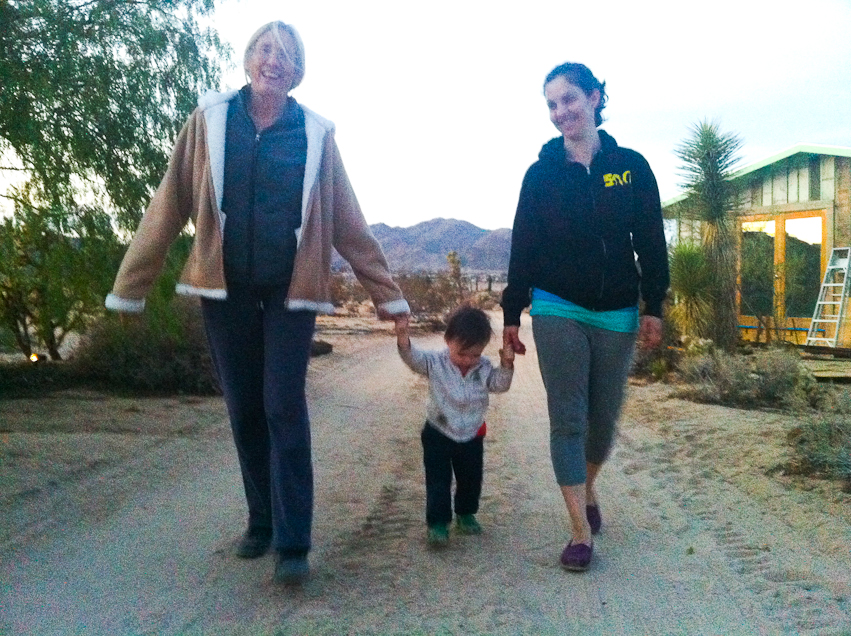
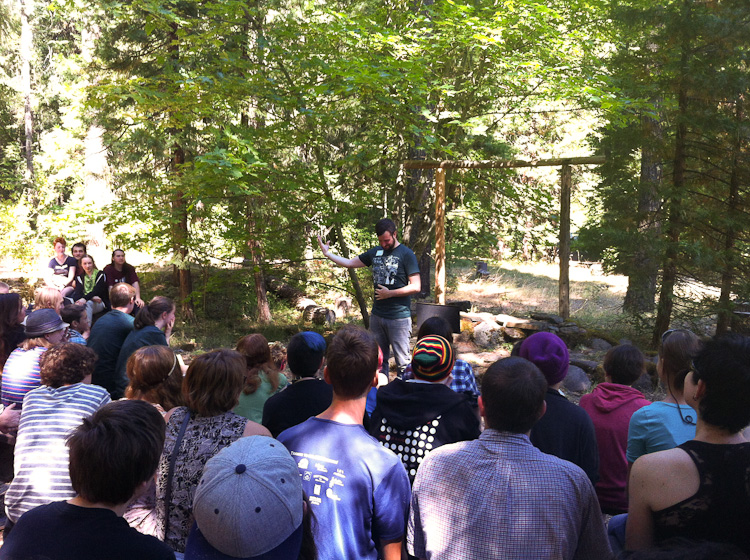
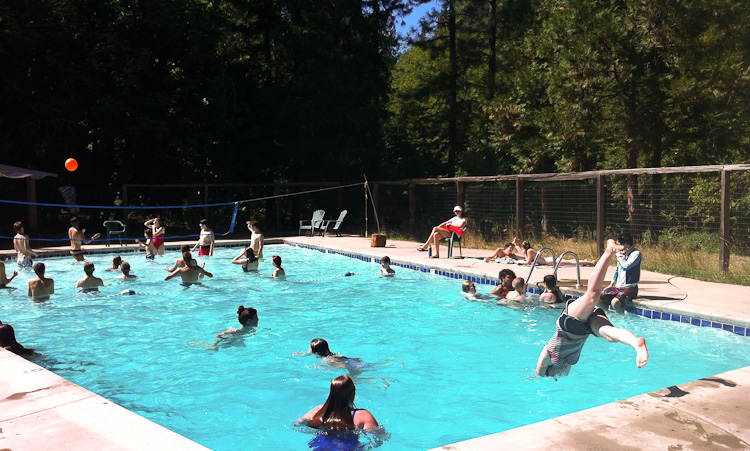
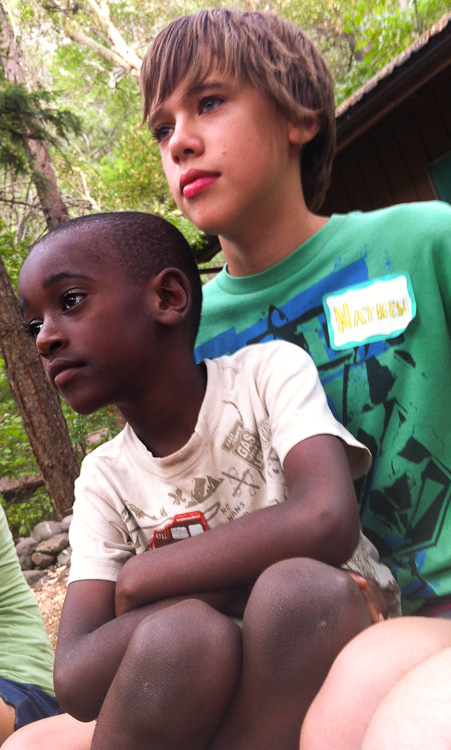
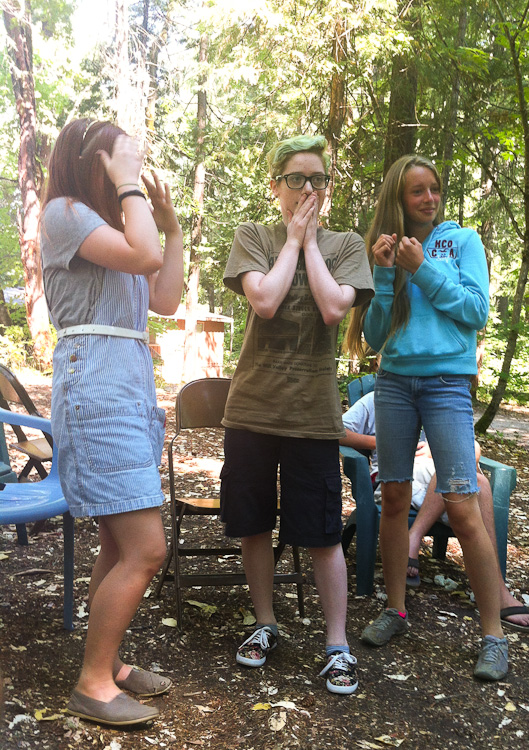
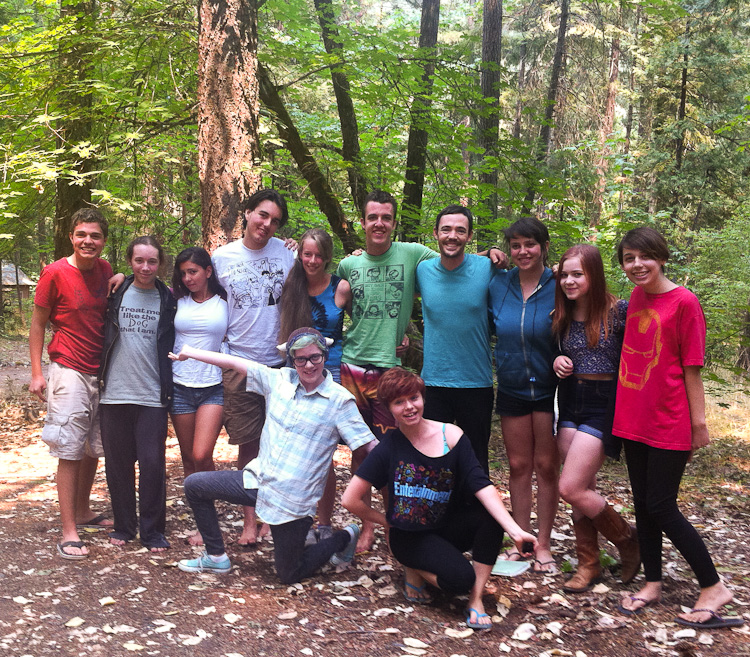
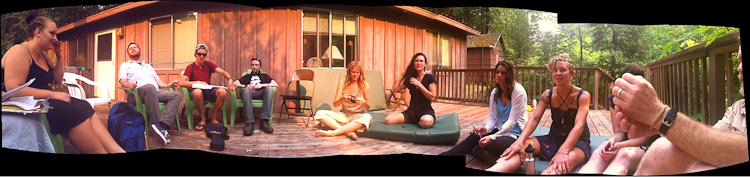
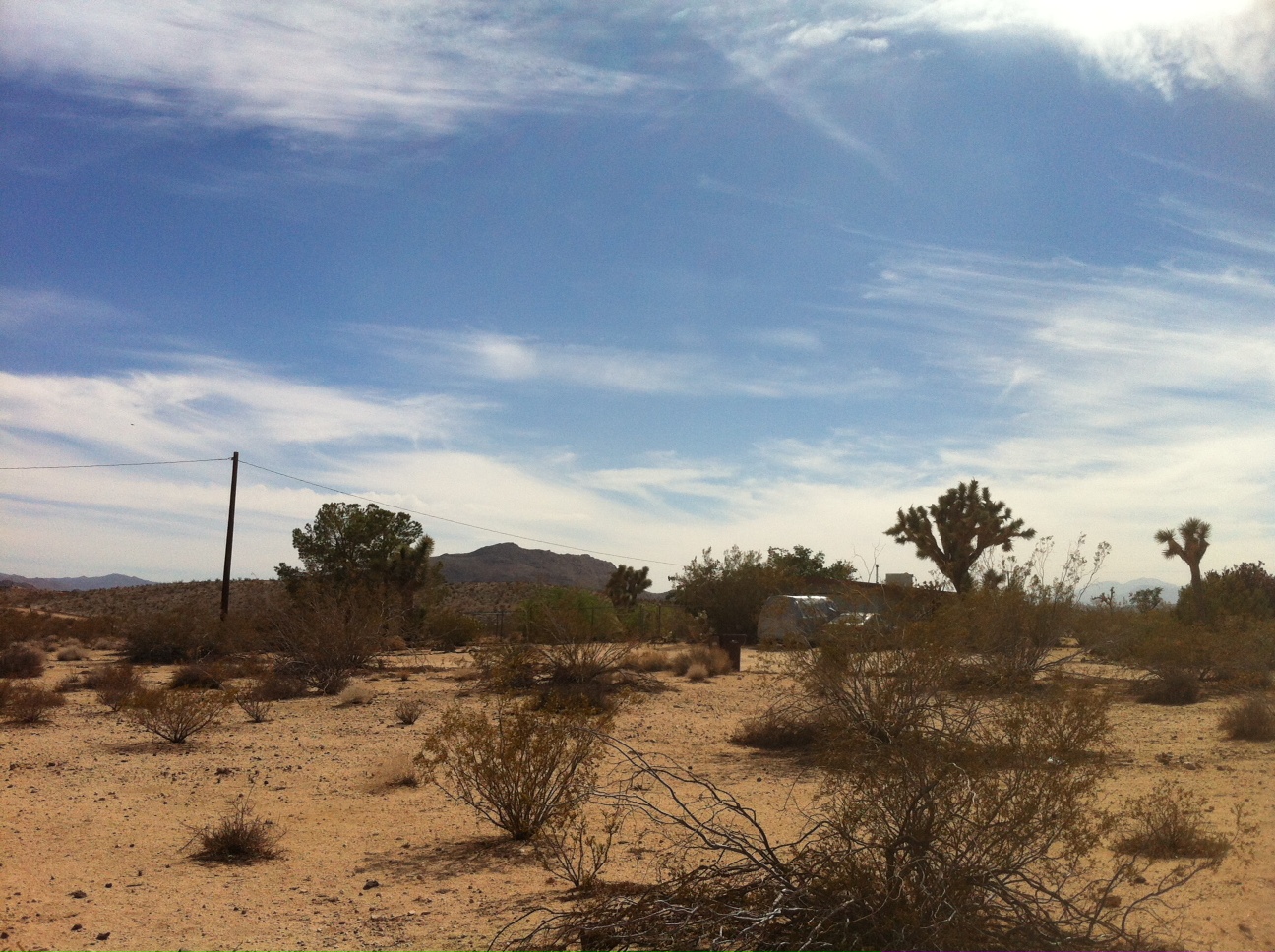
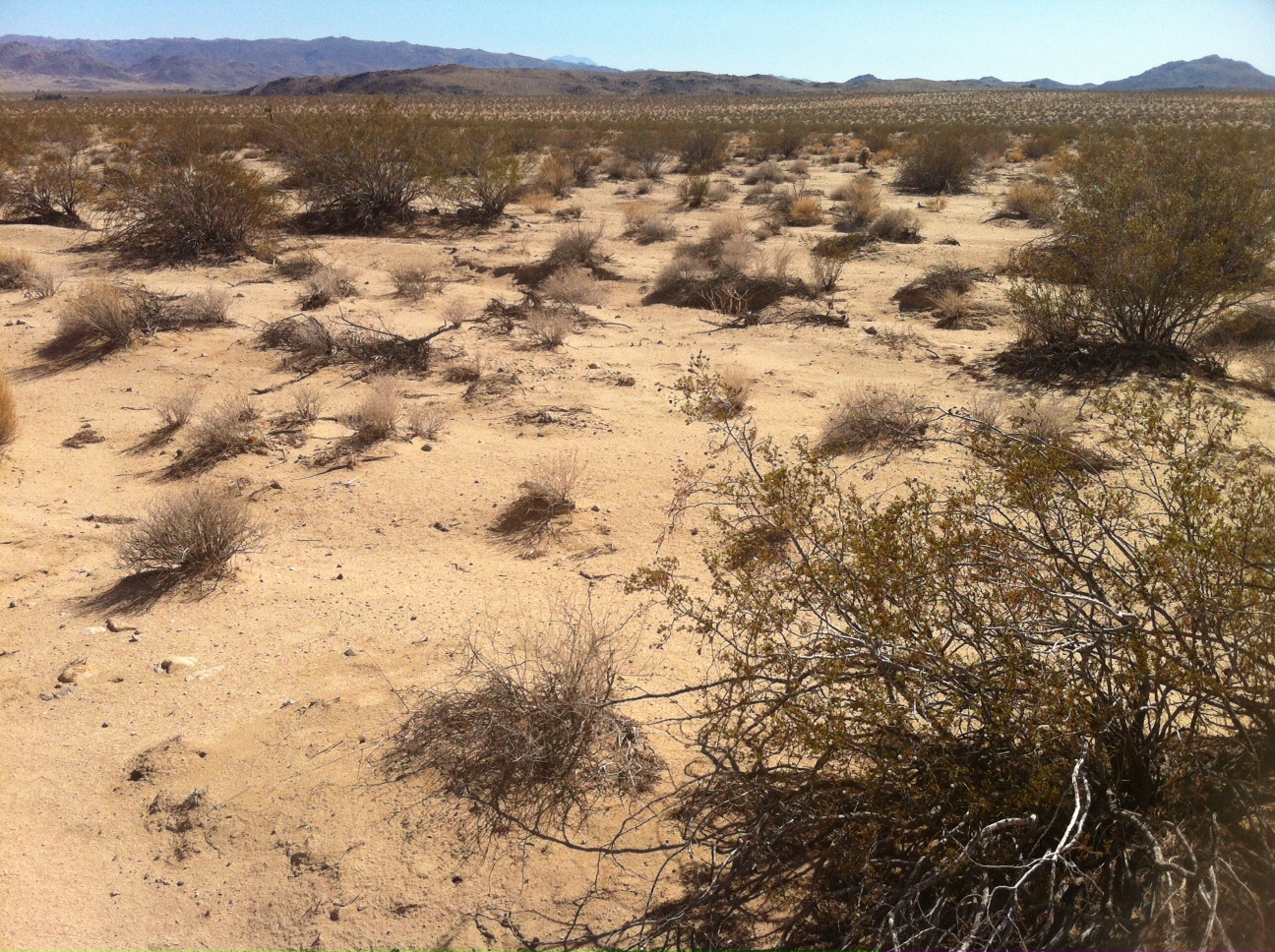
Joshua Tree is my home town, so a session of Not Back to School Camp here is a dream come true. I love our sites in the forests of Oregon and Vermont, but the desert is where my heart is, and now I get to share my rocks and sand, mountains, sunsets, and mild mid-winter temperatures with a new set of NBTSC campers and my dear fellow staffers…

See my post and all the photos at the Not Back to School Camp blog.


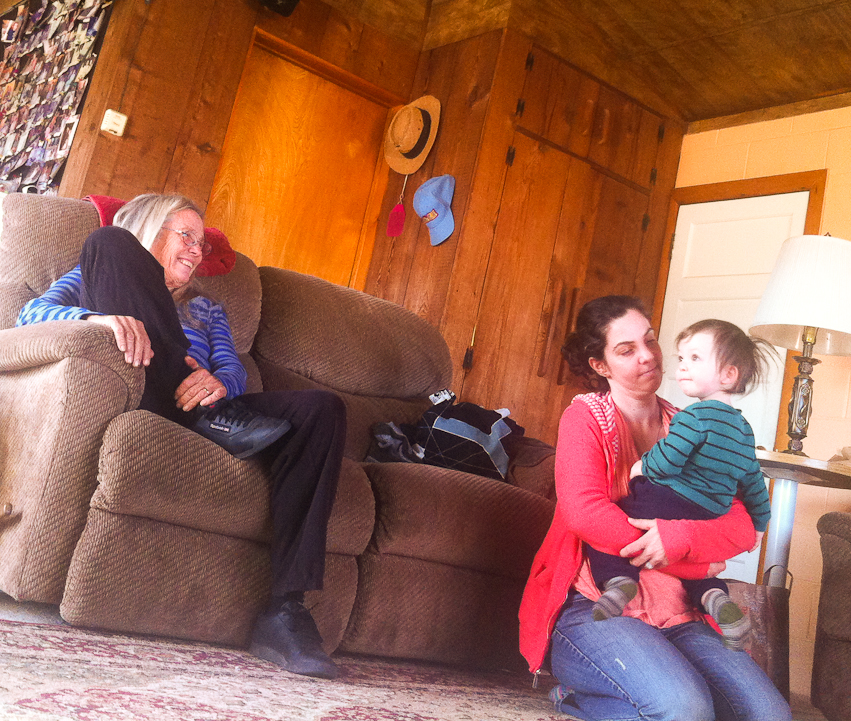
I’m especially glad to have my mom present for her birthday today. We came close to losing her twice in the last year–scary, painful experiences, but quite clarifying. It can be difficult to know what someone means to you without experiences like that. The best way I can think to say what I learned in the last year about my mom is that she is the heart and soul of my family and that when she does eventually die, the world she’ll leave us with will be more sad and empty, less rich and inspiring than the world we get to enjoy today.

So today I’m celebrating my mom and her 66 years.

IMG_9904

Mom, after Christmas 2014, with Christina & Julian

IMG_9825

Mom, after Thanksgiving 2014, also with Christina & Julian

26247_900

Mom in 1951, with her brother Don.


On New Year’s Eve I found myself thinking what a crappy year 2014 had been. Too many people I loved had died and/or almost died. And a bunch of other stuff. To counteract this mood, I went through my calendar to write the story of 2014 as a series of fortunate and enjoyable events. Now that I’ve compiled this list, I’m feeling better and I think it was a great idea:

Listening to a bunch of really great audiobooks and podcasts–probably hundreds of hours worth
Learning to ride a dirt bike, getting pretty decent at it, and going on some spectacular rides
A bunch of massages—weekly, for a good part of the year
Good help from my chiropractor, Dr. Goff, resulting in significantly less back and neck pain over the course of the year.
About 50 group supervisions with Sheri Marquez
A good visit from my brother in law, Rob
Gourmet ramen in the middle of Wonder Valley at night
The highly unlikely moving of a 10×20’ shed
A bunch of great hikes to nearby microconfluences
Military/PTSD show at BOXO
Monthly consultations with John Viola
Dancing 50 or more songs with Reanna, some at Pappy & Harriet’s, mostly at home in the trailer
Dad’s shows at Ma Rouge
Saving a tiny baby tortoise with Reanna
Seeing the Pixies at Pappy & Harriet’s
Visit from Grace and Yared
Visits from Jeannie and Christian
Visits from Doug and Kathryn
Visit from Blake
Julian’s 1st birthday party, Wiley’s 1st birthday party, Christian’s 6th birthday party, Wally’s birthday party
A lot of cooking Mexican food using peppers I grew in the garden
Watched a lot of fantastic movies
Reanna’s dinners and lunches. We eat so good.
Lunch at Del Rey Deli w- Corrina & Alders
Teaching couples communication at Nourishing Tree
Ovenights at Ely & Christina’s before Pasadena trainings
Grey water systems workshop by Nicholas
Lovely evening outdoor meals at Damian & Maya’s
Swimming at the JT retreat center
Tram up San Jacinto and hike with Reanna
Swale digging party at Damian & Maya’s
Talks about new urbanism with Ely
Mexico vs Brazil World Cup game at Santana’s
Summer evenings in the hammock under the stars with Reanna
Teaching suicide prevention a bunch of times
NBTSC at Camp Latgawa
Teaching “the future of facts” workshop at camp
Good talks with Tilke
Scorpion hunting with Ollie
Bunch of trips to Joshua Tree farmers market
Watching Cosmos with family. Also Call the Midwife, the 7 Up series, Tudor Monastery Farm, and generally just hanging out, lounging around in my parents’ living room with family.
Jeff Lantz moves to Joshua Tree
Acquiring a real fixer-upper next door
Reanna’s obsession with floor plans
Marble run games with Ollie
Going on a date with Reanna to the dry lake in bloom
Starting to take piano lessons, learning stride
The latest Shins, Tame Impala, Modest Mouse & Johnny Marr albums. And Louis Armstrong.
Visits from Ely, Christina & Julian
Visit from John and his family

In chronological order:

IMG_8818

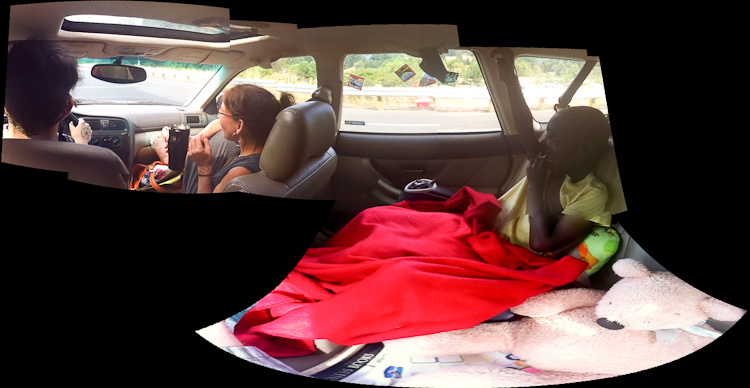
Pano with Dandy, Grace & Yared on the way to camp

IMG_8819

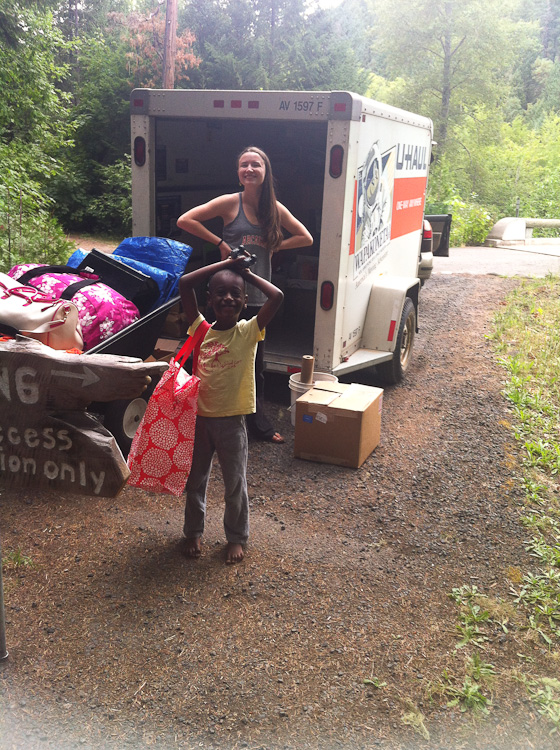
Margie, Yared & UHaul

IMG_8822

Staff loading into Latgawa, some frozen in action for my pano

IMG_8823

Pre-camp staff meeting

IMG_8825

Staff watches sunset pre-camp

IMG_8828

Evan, Emily & Tilke

IMG_8835

Spencer & Yared

IMG_8843

Camper conquers giant stump


IMG_8844

Opening circle

IMG_8852

Song leading

IMG_8855

Evan warms up for his monkey act

IMG_8864

Swimming pool

IMG_8870

Yared & Nathen…err…Skylar

IMG_8887

Pasta-making workshop

IMG_8889

Skylar asleep behind meeting

IMG_8893

Last meeting shot

IMG_8916

Advisees acting out each our embarrassing stories

IMG_8918

More embarrassing story skits

IMG_8929

Yared & Evan play pool volleyball

IMG_8937

The minnows

IMG_8940

Ping-pong table hangout

IMG_8948

My awesome advisee group

IMG_8950

Staff + graduate meeting

IMG_8953

2014 Latgawa graduates

IMG_8976

Reanna & Dandy tow the U-Haul

IMG_8981

Zen & Yared pump up Grace’s flat

IMG_8987

Grace shows off her new trailer back in Eugene


This seems like the appropriate day to tell you that we have a problem with military veterans in the US. We all do. It doesn’t matter where you land on the ideological spectrum or what you thought about some US foreign policy decision. If you live in the US, you are benefitting from the sacrifice of our veterans, and it’s not enough to pay your taxes and put a “support our troops” magnet on your car.

The problem has two aspects. The first is more or less logistical–a resource problem. There are veterans today who, after risking life and limb for you, are homeless, who are taking out second mortgages on their homes to pay their bills, who are undergoing long, intense bureaucratic nightmares for disability benefits, and many other forms of economic suffering. Not all of them, of course, but it happens, and this should never happen. Unfortunately, aside from voting or working in social services, I’m not sure what you can do about it. If you hire people, though, consider hiring veterans.

The second aspect is more spiritual. In this country, we are bad at integrating our warriors into civilian society. We get tired of our wars and stop paying attention to them. We don’t know where our returning warriors have been or what they have done. We’re not interested. We benefit but we don’t care. Or we’re scared to find out. Our warriors end up holding their stories on their own, or inside their brotherhood, not fully part of the wider culture. Not all of them, of course, but many, and this should never happen. Luckily, there is something you can do about this. Stay interested in the details of our conflicts. Be around veterans and be interested. Don’t pry, but listen.

In the vast majority of cases, sleeping is like peeing. You stop when you’re done.

I say this to almost anyone I hear complain about oversleeping. I’m not a sleep expert, but I have read a fair amount of sleep research in my study of psychology and psychotherapy. That research suggests that except in conditions like severe depression or narcolepsy, “oversleeping” should be reserved to mean sleeping past an appointment, like “overpeeing” can really only mean overfilling your urine sample cup.

It’s important to sleep until you are done sleeping and when you can’t avoid restricting sleep, to make up for it later. This is true for how your body functions, how your brain functions, and your overall well-being. If you don’t believe this, you are either ignorant of or ignoring the evidence. Try searching “sleep restriction” and “metabolism,” “cognition,” or “well-being.” There is a good-sized mountain of evidence. (If you don’t like reading academic writing, try searching “sleep” at TED.com or reading Sleep Thieves by Stanley Coren.)

And yet, I wake up to an alarm every weekday, and have done so for many years. This is clearly incongruent with my beliefs about sleep. Waking up to an alarm clock is just another way of purposefully restricting sleep.

So here’s the plan: I’m giving myself 10.5 hours in bed every night, from 9:30pm until my alarm goes off at 8am, until I start waking up naturally before my alarm. It means giving up an hour or two of socializing, exercising, reading or writing each evening, which feels like a lot. It feels like giving my life completely to work, getting ready for work, and sleep. On the other hand, I could end up feeling better and being healthier, and I could stop being such a hypocrite. My wife is on board with the project, so it has some chance of success.

I’ll post again about it in a few weeks.

We tend to think and talk about our jobs in terms of what we produce, not what we do. In some ways, this is misleading. I am a therapist for military families in southern California, so I produce therapeutic conversations with people and clinical documentation to convince the county that I had those conversations. But what would you see me doing if you watched me work for a week? It varies a little but it would look something like this:

19 hours sitting across from people, talking sometimes, writing on a clipboard occasionally

19 hours sitting at a desk, mousing and typing as fast as I can on a laptop

2 hours sitting in my car, driving between offices or client’s homes

30 minutes sitting at a desk, talking on the phone

30 minutes walking to the printer and back to my desk

As you can see, I mostly sit for a living. It’s not what you think when you set out to be a therapist, but that’s the job, and it’s a health sacrifice. The peak of physical exertion in my day is standing up to walk to the printer, and believe me, I value those moments. It’s pretty clear from research that sitting is not a great way to live one’s life: Time spent sitting takes a toll on your health in a way that can’t be made up for by exercising after work. Here’s a pretty good review of some of the research. (It’s a small sacrifice, of course, compared to the sacrifices my clients make in the course of military life. It’s helpful for me to think about it like that–one small sacrifice in return for many big sacrifices.)

It’s also not good for some of the ways I like to be creative, like writing this blog or composing music. I get home and think about sitting down to write, and no thanks. I’ll fly my kite, check for tomato worms, take a walk, help prep dinner, or lie in the hammock. Standing, squatting, walking, lying down, anything but sitting!

Straw bale standing desk

Straw bale standing desk


I have experimented with standing desks a bit. At work I can put my laptop on my in/outbox stack and an external mouse/keyboard setup on my briefcase on top of my desk. It doesn’t work for paperwork out in the field–too much stuff to carry around–but works OK at my main office, as long as I have the energy. That’s been the main problem with it at work; I pretty quickly get tired of standing and want to sit down. Standing is not the solution to sitting, but it’s some variety.

Beck’s Guero is the record that made me realize there is indeed a Holy Grail of rock and roll records—a record that rock and roll has been reaching for but never fully achieving for at least my lifetime. Here are my criteria for the Holy Grail and then a case for Guero as a candidate:

  1. It’s a great rock and roll record: consistent, very strong songwriting, arrangements, performances, great sound, and adventurous or at least beautiful production that also stands the test of time. It has to work as a whole—larger than the sum of it’s songs. It has to be musically interesting enough to get you and keep you even if you couldn’t understand the lyrics.
  2. It is a great dance record. Based on the evidence, this may be the most difficult criterion for a great rock record to meet. Records that you can sway to or jump around to, but are not made to dance to, fail this criterion. (If you can’t or don’t dance, you don’t get a vote on this one.)
  3. It is a great pop record. It’s accessible, catchy, melodic, and makes good use of harmonies.
  4. The lyrics occupy that evocative space between the boring extremes of story telling and completely cryptic. They are also not limited to pretentiousness or goofiness, and are at least occasionally poignant and/or profound.

These criteria are a lot to ask from a record, of course, thus “Holy Grail.” When I presented them to my friend Zen, he said something like, “Wait a second, rock records don’t need to be dance records. Is it really better to try to do both?” Very sensible. In fact, that’s the point. It’s generally a bad idea to try to do too much with a rock record—you end up doing less. There are tradeoffs.

This is why I chose “great” in criteria 1-3 instead of “perfect.” It was partly so that I could nominate an existing record—every perfect rock record so far miserably fails at least one of the other criteria—but also because I’ve come to think there are structural constraints at play. The consistent punchiness of a perfect dance record, for example, probably works against the dynamics and introspective moments of a perfect rock record.

So anyway, Guero:

I call Guero a great rock and roll record. It’s not perfect, so it could be vulnerable to a new record coming along; it has its lazy moments, notably the intro to “Rental Car,” and to a lesser extent the verses of “Missing” and “Earthquake Weather.” Guero’s songwriting, performances, and sounds, however, are consistently great. The songs flow together. The production is top notch, adventurous, occasionally beautiful (notably in “Emergency Exit”), and has stood the test of nine years, which is pretty good.

Not every song makes you want to dance, but most do, and insistently, so I call Guero a great dance record. It is undeniably accessible and catchy, with strong melodies and some harmonies—great pop record. The lyrics are in the right space, somewhat cryptic but not boringly so, and not, as Beck’s lyrics so often are, over-the-top goofy. And the light-heartedness in the music and goofiness in the lyrics is balanced by real introspection and dark themes: deserts, dust, imagining death, and loneliness punctuated by peeking into others’ lives.

Guero

Holy Grail of Rock Records?

I’ve been learning to ride a motorcycle for about a year now. Lately, that’s looked like taking my youngest brother’s old dirt bike out to find microconfluences.* This gives me a reason to take longer and longer rides from home, and takes me to spots I wouldn’t have thought of to go. Each of the following three that I found last week took me on the longest ride of my life so far.

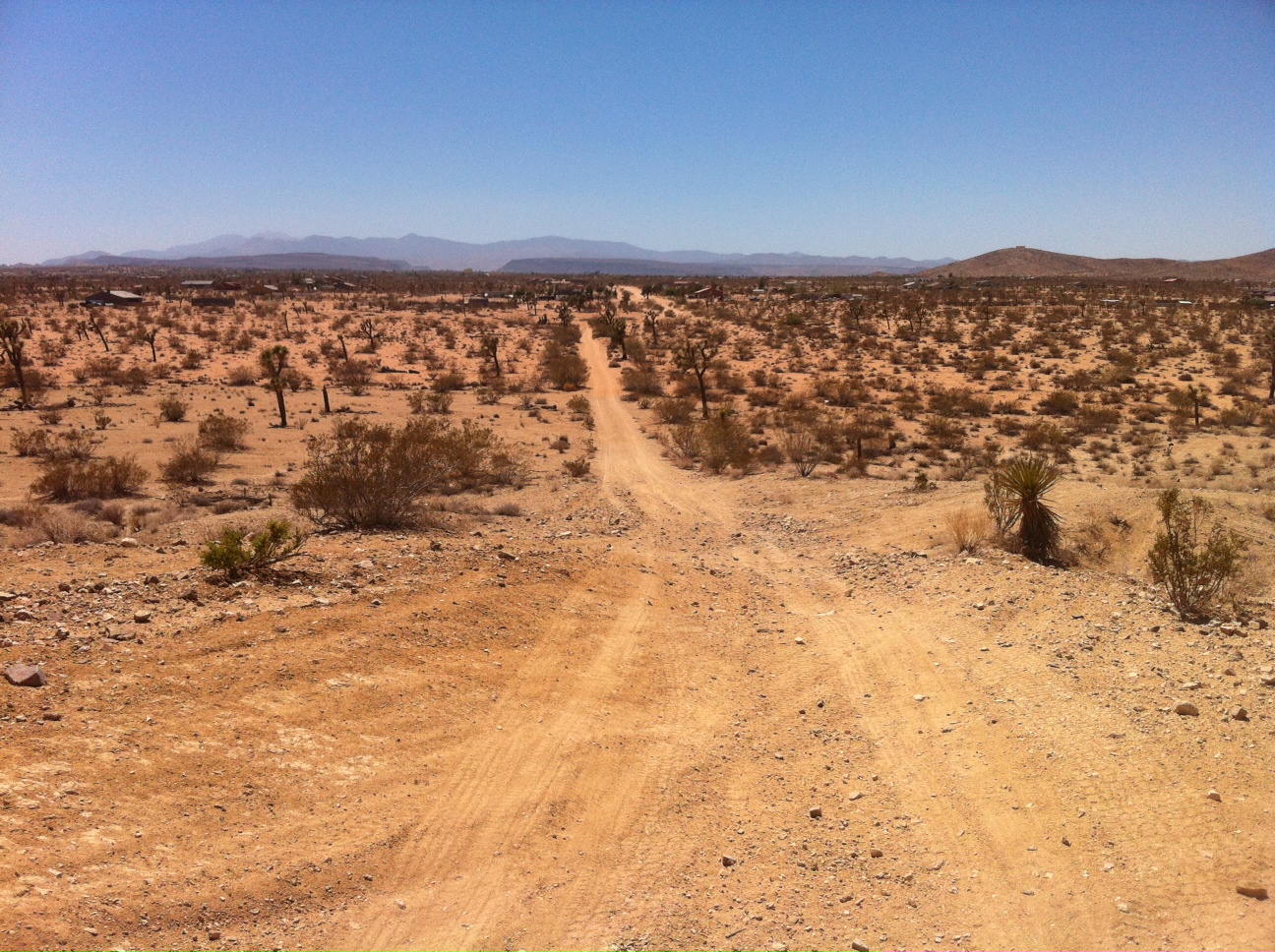
They turned out to be on Sunny Sands Drive, the road I used to live on with family friends, the Murdys, when my family moved back to Joshua Tree in the early 1980s. The first microconfluence was so close to their house that I dropped by for a visit, but they weren’t home. It was just off Sunny Sands and Border Avenue:

Sunny Sands Drive. I used to spend evenings on this road with my friend, Chad, as a kid, playing "Don't Break the World," AKA trying to tunnel through big dirt clods without breaking them.

Sunny Sands Drive. I used to spend evenings on this road with my friend, Chad, as a kid, playing “Don’t Break the World,” AKA trying to tunnel through big dirt clods without breaking them.

This was as close as I wanted to get to the spot (34.2x-116.3 or N 34 12′ x W 116 18′), as it was in the driveway of this house. It’s about 200 feet directly in front of me in this photo. You can see the Bartlett Mountains in the background, AKA Rollie‘s Mountain.

The next was east on Sunny Sands all the way into Sunfair, which is technically a neighborhood of Joshua Tree, though we all tend to think of it as it’s own place.

This is looking down into Sunfair from the north tip of the Bunker Mountains. Sunny Sands is the road heading off into the east. The microconfluence is close to where Sunny Sands ends.

This is looking down into Sunfair from the north tip of the Bunker Mountains. Sunny Sands is the road heading off into the east. The microconfluence is close to where Sunny Sands ends. You can see the dry lake to the right, where all the washes in the area empty to. You could call our valley the Sunfair Dry Lake Drainage Basin.


The spot, 34.2 x -116.25, or N34 12' x W116 15'

The spot, 34.2 x -116.25, or N34 12′ x W116 15′. The closest mountain is Bunker Mountain. To the right of that is Bartlett Mountain. Beyond them to the left are mountains in Joshua Tree National Park. I believe these are called the Little San Bernardino Mountains. Behind them, just left of center, you can see the peak of San Jacinto Mountain. Reanna and I just took the tram up there last week.

Pano from the spot

Pano from the spot

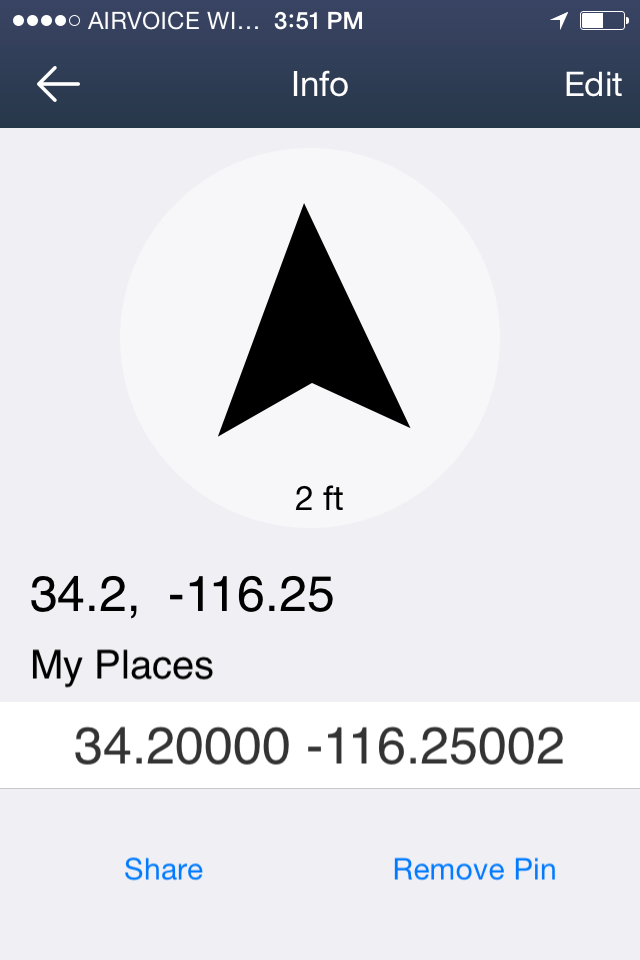
Screenshot from Maps With Me

The third spot was technically not on Sunny Sands, because of a weird jog in the road. It was on Fairmont:

Looking west towards the spot.

Looking west towards the spot. You can see Pipe’s Canyon, the gap in the mesa in the distance, and the San Bernardino Mountains beyond that, with San Gorgonio. Big Bear and Big Bear Lake are up in those mountains.

You don't want to get too close to people's property in north Joshua Tree. They are probably nice but may have a gun and might not like you taking a photo of their yard. The spot is just outside their fence.

34.2 x -116.35 (N 34 12′ x W 116 21′) is about 100 feet into the desert across the street. You don’t want to get too close to people’s property in north Joshua Tree. They are probably nice but may have a gun and might not like you taking a photo of their yard.

Pano from the spot

Pano from the spot

Screenshot with Maps With Me

Screenshot with Maps With Me


*As defined by Charlie Lloyd, a microconfluence is a spot with latitude and longitude even at 100ths of a degree. I’ve been finding microconfluences which are also even at minutes of latitude, which I think of as “minute-microconfluences.” This puts them a few miles apart at my latitude. Links to my microconfluence adventures are here.

I’ve been wearing “barefoot shoes” for about six years now and they have taught me a few things about feet and shoes in general:

1) We need shoes. No matter how adapted our bare feet are to forest floors or savannah, which is debatable, they are not adapted to industrial landscapes. This is true no matter how gnarly your feet get and no matter how prancing of a gait you adopt. (If this does not seem true to you, you are either young, do not have a real job, or both, and that’s awesome. Enjoy it while you can.) This is especially true if you like to have fun with foot-intense activities like dancing all night, or running marathons.

2) All shoes are uncomfortable, even barefoot shoes. You may not yet know this because you wear shoes all the time or haven’t paid enough attention.  The major problems with shoe discomfort are from narrow toe boxes, heaviness, stiff uppers, heel lift, and lack of cushion. Since there are no truly comfortable, versatile shoes right now, I have to assume these are tough engineering problems. Still, I can complain.

3) The toe box seems to be a fashion problem rather than an engineering problem. Clearly, narrow toe boxes are hipper than wide ones. I remember the first time I saw a shoe with a wide toe box (a early-2000s Birkenstock shoe) how weird and somehow wrong they looked to me. This, I think, is something we just have to get over. We need shoes that are shaped like feet. Anything else is culturally accepted foot binding. Look at any old person’s feet and ask yourself, did they “break in” their shoes or did their shoes “break in” their feet?

(Those early Birkenstock shoes turned out to be really heavy, clunky, and with painfully stiff uppers. Can’t recommend them even though their toe box was lovely.)

4) Once you get used to barefoot shoes, regular shoes mostly feel like cement blocks tied to your feet, and you can feel the weight and clunkiness of them jarring your ankles and knees with each step. It’s awful. Barefoot shoes are straightforwardly better in this way. However, if your real job involves the possibility of heavy and/or sharp objects landing on your feet, there are no good barefoot shoe options for you.

5) A surprising number of barefoot shoes have stiff uppers that cut into the tops of your feet almost as bad as normal dress shoes. Nike Frees have the best upper I’ve found so far, though it depends on the model, and they have heel-lift problems.

6) Heel lift may have a place for runners–I’m not particularly a runner so I have no opinion–but is purely uncomfortable otherwise. Once you are used to no heel lift, putting on heel lift shoes feels like standing on or walking down a slope constantly, which is hard on the toes and knees. The only thing I’d miss about heel lift is getting to be slightly taller than my wife every once in a while, which is nice for partner dancing.

7) Barefoot shoe enthusiasts say your feet need to be able to feel the terrain, and many barefoot shoes have little or no cushion underneath to accomplish this. I do enjoy being able to feel the terrain, as long as it is not concrete, but as far as I can tell the benefit of this is still an open question. It is obviously, experientially true, though, that walking without cushion is more tiring and harsher on feet, legs, and low back than walking with cushion.  Walking through a city in very low cushion shoes, like Terra Plana Vivobarefoots, it is clear that sidewalk is harsher than asphalt to walk on, which is harsher than brick or cobblestone–the more texture the better. Lawns and devil strips are the best terrain you will find in a city by far, and barefoot shoes turn you into a deviant grass-walker.

8) Barefoot shoe enthusiasts believe that arch support is just bad, that it weakens the muscles that would otherwise hold up your arch, making you dependent on supports. I think it is more complicated than that. I think spending time with collapsed arches is probably worse than having weak arch-supporting muscles, so be careful, especially during taxing activities like backpacking. After some experimentation, I’ve settled on wearing flexible, custom leather orthotics in my barefoot shoes most of the time–any time I’ve got a long day on my feet or doing anything athletic for an extended time. When my feet are fresh, the supports don’t seem to come into play much. When tired, they rest on the supports. It’s working for me so far.

9) It may be possible to design truly comfortable, versatile shoes. I’d like to try Nike Frees with no heel lift and without the wide sole in the heel. That might be the perfect athletic shoe, especially if they could tone down the bright, ugly color combinations so long compulsory for athletic shoes. For work, I’d like to try Terra Plana’s Vivobarefoot Gobi Suede but with some cushion in the sole.

10) I can’t comment much on toe shoes, but I haven’t found any that fit me. I am interested in them for the way they spread toes out–maybe they could help correct problems that years of regular shoes create. I found, though, that I needed a perfect fit: Too small hurts and too big means little floppy extensions on the end of each toe. No thanks. I have been wearing Injinji toe socks to get a little spread for the last few months and I like them.


My Shoes for the Last Year

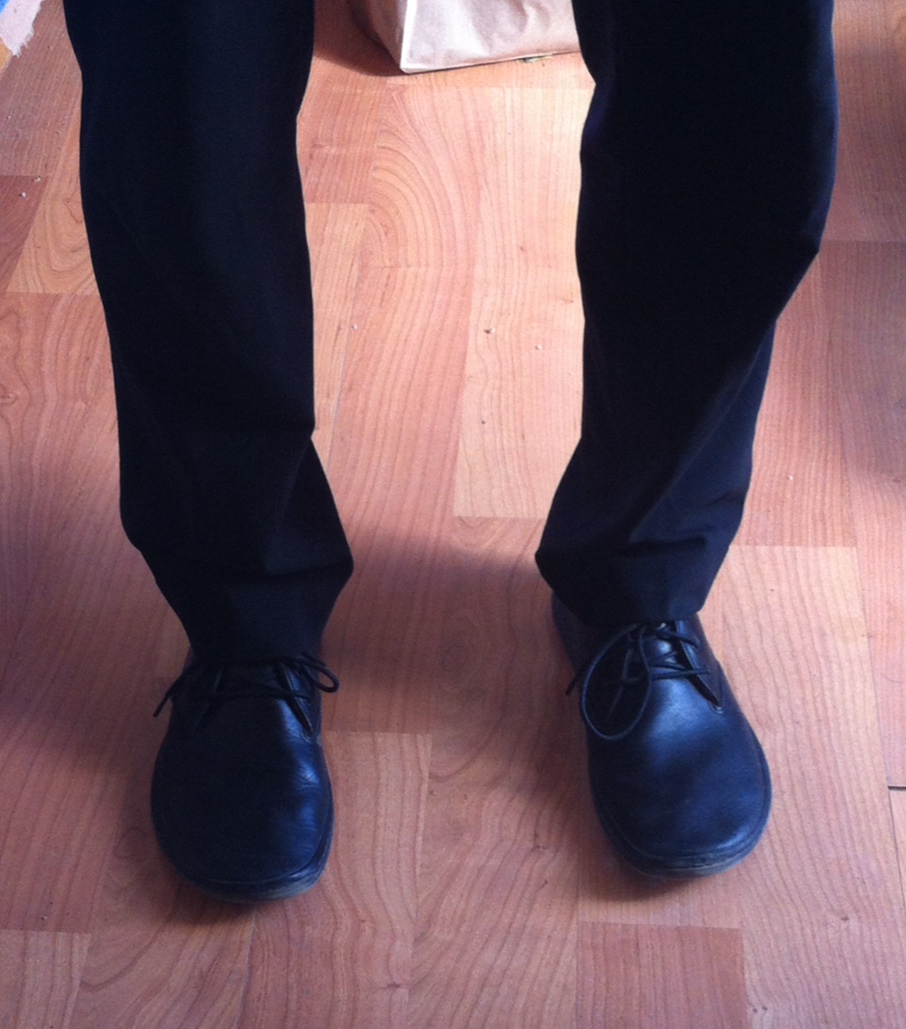
Vivobarefoot Terraplanas. I wear these to work most of the time.

Vivobarefoot Terra Planas. I wear these to work most of the time. I got married in these.

Nike Free Run + for anything athletic or yard work.

photo-5

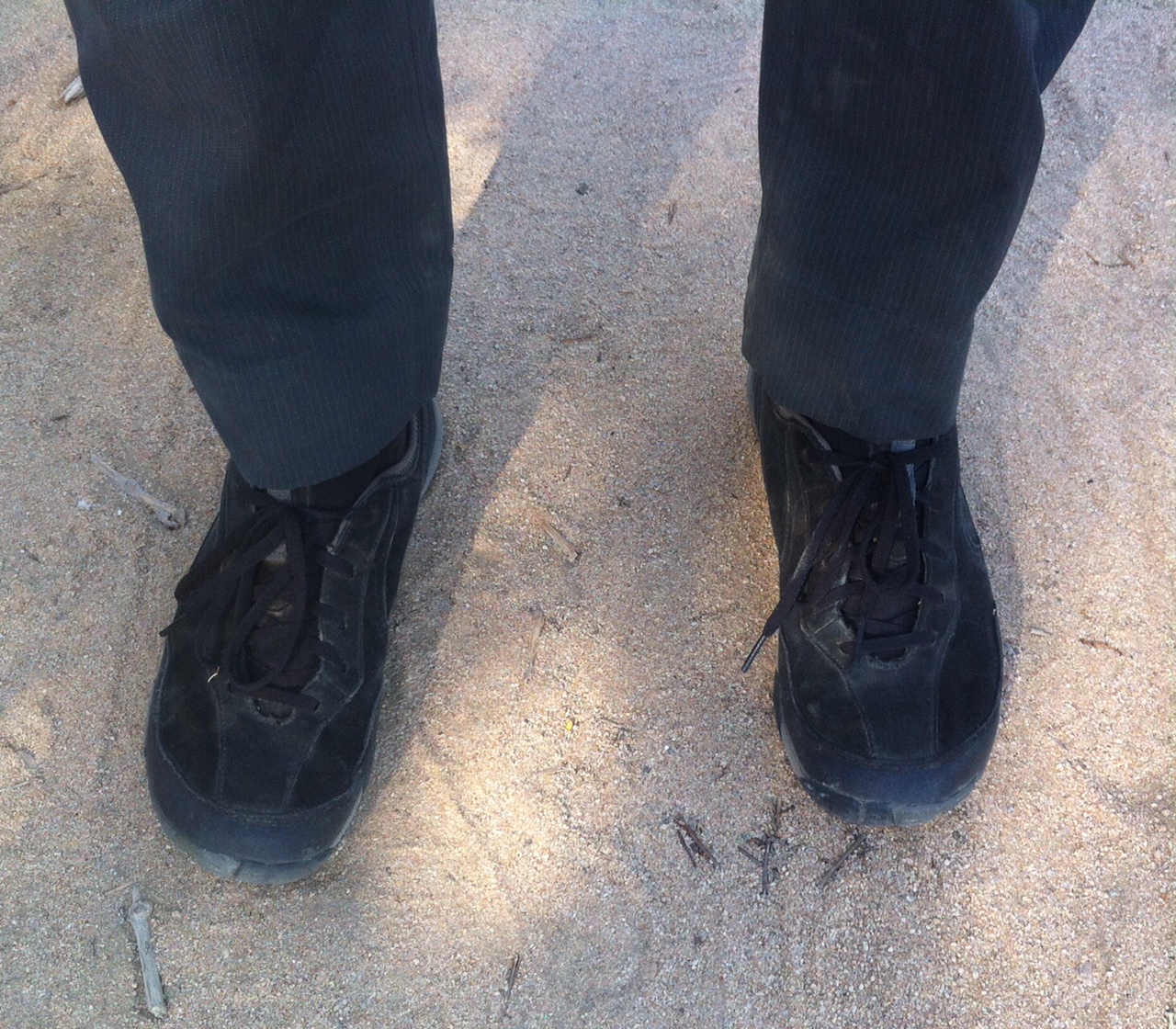
Merrell Edge Gloves for casual stuff, or a break from the others. I wear these the least, but a few times a week.